

Knee Pain Physiotherapy in Coolum
Helping you Rediscover your potential with walking the beaches, climbing Mount Coolum, going for a run or living with less knee pain.
The Rediscover Physio Way!
Knee pain can start suddenly with a specific incident like a sporting injury or fall, or it can start gradually, developing over months or years. Both can have a significant impact on your daily life. Simple activities like walking the dog, stairs, gardening, exercising or getting up from a chair can all become more difficult as they are impacted with pain.
At Rediscover Physio, we understand that everyone’s knee pain is different, and everyone’s finish line is too. Some people want to return to running or hiking Mount Coolum, while others simply want to enjoy walking along the beach or through the shops. Whatever your goal, our physiotherapists take the time to understand how your knees are impacting you. We take detailed assessments to understand all the sources of your symptoms, to develop a personalized treatment plan designed specifically for you and your lifestyle.
Our approach focuses on you rather then just pain. We aim to improve your strength, movement, restore your confidence and help you build the strength needed to return to activities that matter the most to you.
If you’re looking for physiotherapy for your knee in Coolum Beach or on the Sunshine Coast, we’d love to help.
✔ Immediate appointments available
✔ Experienced Physiotherapists
✔ Modern Rehabilitation Gym
✔ Individualised Treatment Plans
What Is Knee Pain?
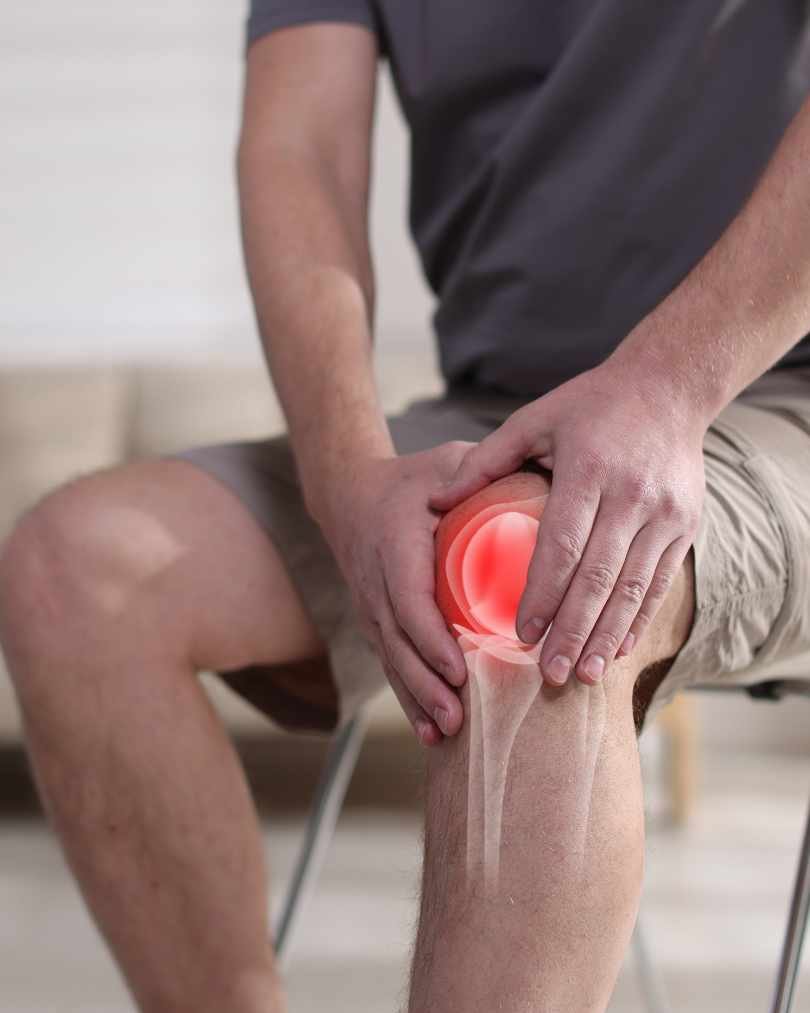
Knee pain is one of the most common reasons people seek physiotherapy. It can affect people of all ages and activity levels, from teenagers playing weekend sport to older adults wanting to remain active and independent.
The knee is a complex joint that allows us to walk, run, squat, climb stairs and move with confidence. Every day it experiences significant forces as we go about our normal activities, these forces are important to the ongoing knee health. However, when something goes wrong, like an injury, it also makes rehabilitation more complex to understand the right cause of your pain.
Sometimes the cause is obvious, such as twisting your knee during sport, slipping on wet ground or landing awkwardly after a jump. In other cases, the pain develops gradually without a single injury. You may notice discomfort after increasing your walking, starting a new exercise program, returning to running or simply finding that everyday activities are becoming more difficult as you are getting older.
Many people assume that knee pain automatically means arthritis or that something inside the knee has been permanently damaged. Fortunately, this is not always the case. Pain is often influenced by a combination of factors including joint irritation, muscle weakness, changes in activity levels, and the way your body moves.
This is why two people with very similar scans can experience completely different symptoms. One person may have very little pain despite significant arthritis, while another may have ongoing pain despite relatively minor findings on imaging.
Rather than focusing only on an X-ray or MRI result, Rediscover Physio looks at the bigger picture. We assess how your knee moves, how your muscles are working, how you walk, your strength and the activities that trigger your symptoms. Understanding these contributing factors allows us to specifically tell you what’s impacting your knee and how we can change that.
Many knee conditions respond well to conservative treatment. With the right advice, appropriate exercise and a gradual rehabilitation program, many people can reduce their pain, improve their strength and return to the activities they enjoy without requiring more invasive treatment.

Common Symptoms of Knee Pain
Knee pain doesn’t feel the same for everyone. Some people experience a sharp pain after an injury, while others notice a dull ache that gradually becomes more noticeable over time.
You may benefit from seeing a physiotherapist if you’re experiencing any of the following symptoms:
- Pain when walking for longer distances
- Pain climbing up or down stairs
- Difficulty getting out of a chair or car
- Pain when squatting, kneeling or bending
- Swelling around the knee
- Clicking or grinding sensations
- The knee catching or locking during movement
- The feeling that your knee might give way
- Pain after running or exercising
- Morning stiffness that improves as you move
- Difficulty returning to sport
- Pain that is limiting work, hobbies or everyday activities
- Repeated flare-ups that never seem to fully settle
- Loss of confidence because you’re worried your knee may become worse
Even if your pain seems manageable, early assessment can often help identify contributing factors before symptoms become more persistent or begin affecting other areas such as your hips or lower back.
What Causes Knee Pain?
There are many different reasons why knee pain develops, and identifying the underlying cause is one of the most important parts of effective treatment. While pain is felt in the knee, the source of the problem isn’t always the knee itself. Weakness around the hips, reduced ankle mobility, changes in walking patterns and previous injuries can all influence how much load is placed through the knee.
Some of the most common causes of knee pain include:
Knee Osteoarthritis
Knee osteoarthritis is one of the most common causes of persistent knee pain, particularly in adults over the age of 50. It involves changes to the joint that can lead to pain, stiffness and reduced confidence with activities such as walking, stairs and gardening.
The good news is that current research consistently recommends exercise, education and maintaining an active lifestyle as first-line treatment. Many people are able to significantly improve their symptoms and continue enjoying an active lifestyle with the right rehabilitation program.
Patellofemoral Pain
Often referred to as “runner’s knee”, patellofemoral pain usually causes discomfort around or behind the kneecap. It commonly becomes worse with stairs, squatting, prolonged sitting, running or hills.
This condition is often influenced by training loads, muscle strength and movement patterns rather than damage to the knee itself.
Meniscus Injuries
The meniscus is a piece of cartilage that helps absorb force within the knee. It can become irritated following a twisting injury or gradually change over time as we age.
Many meniscus injuries improve with an appropriate rehabilitation program, although some people may require further medical assessment depending on their symptoms.
Tendon Pain
Pain at the front of the knee or just below the kneecap may be related to irritation of the patellar tendon. This is commonly seen in people who participate in jumping sports, running or activities involving repeated squatting.
Gradual strengthening and appropriate load management are often key parts of recovery.
Ligament Injuries
The ligaments provide stability to the knee and can be injured following sporting accidents, falls or sudden twisting movements. These injuries range from mild sprains through to more significant tears.
Early assessment can help determine the severity of the injury and guide appropriate management.
Muscle Weakness and Reduced Capacity
Sometimes there is no major structural injury at all. Instead, the muscles around the hips and knees simply aren’t coping with the demands being placed upon them.
As strength and physical capacity reduce over time, everyday activities can begin placing relatively greater stress on the knee. Improving strength is often one of the most effective ways of reducing pain and improving long-term function.
Because knee pain can have many different contributing factors, an accurate assessment is essential before deciding on the most appropriate treatment plan.
Free Knee Osteoarthritis Guide
If you’ve recently been told you have knee arthritis—or you’re wondering whether arthritis may be contributing to your symptoms—we’ve created a free guide to help you better understand your condition.
Inside the guide you’ll learn:
- What knee osteoarthritis actually is.
- Common myths about “bone on bone” arthritis.
- Why movement and exercise are usually recommended.
- Simple strategies to help manage flare-ups.
- Practical exercises you can begin at home.
- When it may be appropriate to seek physiotherapy.
Our goal is to provide practical, evidence-based information that helps you feel more confident managing your knee, whether you’re just starting your recovery or have been living with knee pain for years.
Download our Free Knee Osteoarthritis Guide today.
For more FREE Guides
The best exercise for knee pain!
Because knee pain can be caused by so many different conditions, it can be hard to come up with the best exercise to help manage your knee pain.
If you have an acute injury it is strongly recommended to seek professional individualised assessment and management.
If you have had a gradual onset of pain with no specific cause of pain, we recommend trying the following exercise while you are waiting to get in to see a physiotherapist. If it causes pain stop immediately.
How Can Physiotherapy Help?
Many people believe knee pain is simply something they have to live with as they get older, particularly if they’ve been told they have arthritis or “wear and tear”. Others avoid activity because they’re worried they’ll make the problem worse.
While every person’s situation is different, many knee conditions respond very well to physiotherapy. The aim isn’t simply to reduce pain for a few days—it is to identify why your symptoms developed, improve the capacity of your knee and help you return to the activities that are important to you.
Research consistently supports physiotherapy as a first-line treatment for many common knee conditions, including osteoarthritis, tendon pain and patellofemoral pain. Through a combination of education, exercise and individualised treatment, many people are able to improve their pain, regain confidence and return to an active lifestyle.
Depending on your condition and goals, physiotherapy may help you:
Reduce Pain
Pain is often influenced by much more than what appears on a scan. By identifying the structures involved and reducing unnecessary irritation while improving strength and movement, many people notice their pain gradually becoming more manageable.
Improve Movement
Knee pain often changes the way we move. You may begin limping, avoid bending your knee fully or favour one leg over the other without realising it. These movement changes can sometimes increase stress on the knee or contribute to pain in other areas such as the hip or lower back.
Improving your movement can make everyday activities feel easier and more comfortable.
Build Strength
Strong muscles help support the knee during walking, climbing stairs, running and everyday activities.
Improving strength isn’t about lifting heavy weights—it is about gradually improving the capacity of your muscles to handle the demands of your lifestyle. Whether your goal is hiking Mount Coolum, playing golf or simply walking around the supermarket comfortably, building strength is often one of the most important parts of recovery.
Improve Confidence
Many people become worried that their knee will suddenly give way or that exercise will make their condition worse. As confidence reduces, people often begin avoiding activities they once enjoyed.
A structured rehabilitation program allows you to gradually rebuild confidence in your knee so you can return to moving without constantly thinking about pain.
Return to the Activities You Enjoy
Every rehabilitation program should be built around your goals.
For some people that means returning to running or sport. For others it means gardening, travelling, walking the beach, keeping up with grandchildren or remaining independent as they age.
Rather than treating everyone the same, your physiotherapist will work with you to develop a program that reflects what is most important in your life.

What Happens During a Physio Appointment at Rediscover Physio
Many people aren’t sure what to expect when they book their first physiotherapy appointment. At Rediscover Physio, we believe understanding your condition is one of the most important parts of your recovery, so we take the time to listen before recommending treatment.
During your initial consultation your physiotherapist will begin by discussing your symptoms in detail.
We’ll ask questions such as:
- When did your pain begin?
- What activities make it better or worse?
- Have you had previous knee injuries?
- What are you hoping to get back to doing?
- Have you had any previous scans or treatment?
Understanding your story helps us identify patterns that may be contributing to your symptoms.
Next, we’ll complete a detailed physical assessment. This may include assessing:
- Your walking pattern
- Knee movement
- Muscle strength using a dynamometer to give you accurate information regarding your strength
- Hip and ankle function
- Balance and stability
- Functional movements such as squatting, stairs or stepping
Because the knee works together with the rest of the body, we often assess more than just the painful area.
Following the assessment, we’ll explain our findings in plain English. Rather than simply giving you a diagnosis, we’ll discuss what we believe is contributing to your symptoms, what factors are likely to influence your recovery and the treatment options available.
Before you leave your appointment you’ll have a clear understanding of:
- What we believe is causing your pain
- Your rehabilitation goals
- The treatment plan we recommend
- Exercises to begin at home where appropriate
- What you can continue doing safely
- What to expect over the coming weeks
Our goal is for you to leave your first appointment feeling informed, confident and with a clear plan moving forward.
Rediscover Physio's Approach to Treating Knee Pain
There is rarely a single treatment that works for everyone experiencing knee pain. Instead, successful rehabilitation usually involves addressing the factors contributing to your symptoms while gradually improving your ability to tolerate everyday activities.
Your treatment plan may include a combination of:
Hands-on Treatment
Where appropriate, your physiotherapist may use techniques such as soft tissue massage or joint mobilisation to help reduce discomfort and improve movement. While hands-on treatment can be useful for managing symptoms, it is generally only one part of a comprehensive rehabilitation program.
Individualized Exercise Rehabilitation
Exercise is one of the most effective treatments for many knee conditions.
Your physiotherapist will develop a program based on your current ability, your goals and the activities you would like to return to. As your strength improves, your exercises will be progressed to continue building your confidence and physical capacity.
Strength Training
Many knee conditions are associated with reduced strength through the muscles around the hips, thighs and calves. Improving strength helps your body better tolerate everyday activities and can reduce stress placed through the knee joint.
Our rehabilitation gym allows us to progressively build your strength in a safe and supervised environment where appropriate.
Long-Term Management
Our goal isn’t simply to help you feel better this week.
We want to help you develop the strength, confidence and knowledge to continue managing your knee well into the future, reducing the likelihood of repeated flare-ups and helping you stay active for years to come.
Chosing the right physio
Choosing a physiotherapist is about more than finding someone close to home. You want a clinician who will listen to your concerns, understand your goals and work with you to develop a plan that suits your lifestyle.
At Rediscover Physio, we believe great physiotherapy combines evidence-based care with genuine relationships.
When you visit our clinic, you can expect:
- Experienced physiotherapists committed to ongoing professional development.
- A thorough assessment to understand the factors contributing to your symptoms.
- Individual treatment plans tailored to your goals.
- Access to our modern rehabilitation gym to support long-term recovery.
- Clear explanations without unnecessary medical jargon.
- Practical advice that fits into your everyday life.
- A focus on improving your strength, movement and confidence—not simply reducing pain for a few days.
Whether your goal is returning to running, walking comfortably along the Sunshine Coast, getting back to gardening or simply enjoying everyday life with less pain, we’re here to help you achieve it.
Frequently Asked Questions
Do I need an X-ray or MRI before seeing a physiotherapist?
Not necessarily.
Many causes of knee pain can be identified through a detailed assessment by a physiotherapist. Your symptoms, movement, strength and the way your knee functions often provide more useful information than a scan alone.
In some situations, imaging may be recommended if it is likely to change the management of your condition. If we believe further investigation is appropriate, we’ll discuss this with you and, where appropriate, communicate with your GP.
Can physiotherapy help knee arthritis?
Yes.
Current clinical guidelines recommend exercise, education and weight management where appropriate as the first line of treatment for knee osteoarthritis.
Many people are surprised to learn that remaining active is often one of the best things they can do for their knees. Physiotherapy aims to help reduce pain, improve strength, increase confidence and support you in maintaining an active lifestyle.
Should I stop exercising if my knee hurts?
In most cases, no.
Completely avoiding activity can sometimes lead to reduced strength and fitness, which may make the knee more sensitive over time.
Instead, your physiotherapist will help you understand which activities are appropriate, which may need to be modified temporarily and how to gradually return to your preferred level of activity.
The goal is usually to keep you moving while allowing your knee to recover.
How many physiotherapy appointments will I need?
The answer depends on several factors, including your diagnosis, how long you’ve had symptoms, your goals and how your body responds to rehabilitation.
Some people improve significantly after only a few appointments, while others with more persistent conditions benefit from a longer rehabilitation program.
Following your assessment, your physiotherapist will discuss an individual treatment plan and provide an estimate of what your recovery may involve.
Can I still walk if I have knee pain?
For many people, walking remains an important part of recovery.
However, the amount of walking that is appropriate will vary depending on your condition and current symptoms.
Sometimes reducing the distance temporarily or changing the terrain allows symptoms to settle while maintaining activity. Your physiotherapist can help guide you on the most appropriate approach for your situation.
Is it normal for my knee to click or crack?
In many cases, yes.
Clicking or cracking sounds are very common and are not always a sign that something is wrong.
If these sounds occur without pain or swelling, they are often considered normal. If clicking is associated with pain, locking or instability, it is worth having your knee assessed to determine whether further management is required.
Should I wear a knee brace?
A knee brace may be appropriate for some people depending on the type of injury or condition.
However, braces are not necessary for everyone and should not replace improving strength and movement where possible.
Your physiotherapist can advise whether a brace may be beneficial for your specific situation.
Can knee pain come from my hip or back?
Yes.
Although your pain is felt in the knee, problems elsewhere in the body can sometimes contribute to your symptoms.
Reduced hip strength, lower back conditions or altered movement patterns may influence how forces are distributed through the knee.
This is one reason why physiotherapists assess the whole lower limb rather than focusing only on the painful area.
Will I need surgery?
Many people with knee pain recover well without surgery.
Conditions such as osteoarthritis, patellofemoral pain and many tendon problems are commonly managed successfully with physiotherapy.
If your assessment suggests that surgical review may be appropriate, we’ll discuss this with you and help guide you through the next steps.
Can physiotherapy help me avoid surgery?
For some people, yes.
Improving strength, movement and confidence may reduce pain sufficiently that surgery is no longer required or can be delayed.
While physiotherapy cannot reverse every structural change within the knee, it often improves function and quality of life enough for people to continue enjoying the activities that matter to them.
Is knee pain just a normal part of getting older?
Not necessarily.
While the risk of developing knee pain increases with age, ongoing pain should not simply be accepted as inevitable.
Many older adults successfully improve their symptoms through exercise, education and gradually increasing their physical capacity.
Remaining active is one of the most important things you can do to maintain your mobility and independence as you age.
What should I do if my knee suddenly becomes swollen?
Sudden swelling following an injury should be assessed promptly.
If your knee becomes significantly swollen, you cannot bear weight or your knee feels unstable after an injury, seeking early assessment is recommended.
Prompt diagnosis helps determine the most appropriate management and whether further investigation is required.
Can I continue running with knee pain?
Sometimes.
This depends on the cause of your symptoms, the severity of your pain and how your knee responds during and after running.
For many runners, modifying training volume, intensity or frequency while completing a rehabilitation program allows them to continue running safely during recovery.
If your goal is returning to running, your physiotherapist can help develop an individual return-to-running plan.
How long does it take for knee pain to improve?
Recovery varies depending on the underlying condition and how long symptoms have been present.
Some acute injuries improve within a few weeks, while longer-standing conditions may require several months of progressive rehabilitation.
Rather than focusing only on pain reduction, we also aim to improve your strength, movement and confidence to reduce the likelihood of future flare-ups.